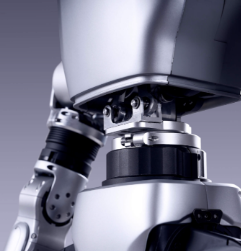
Humanoid robots are at the forefront of technological advancements, revolutionizing industries such as healthcare, manufacturing, and automation. The material used to construct these robots plays a pivotal role in their functionality, durability, and efficiency. Among the many options available, aluminum and its alloys have emerged as the go-to choice for humanoid robots. This article explores the unique properties of aluminum robots and how it supports the demanding requirements of robotics manufacturing.
Choosing the right material is critical to humanoid robot design, as it determines how efficiently robots perform their functions. The key considerations include:
- Lightweight Design: To enhance mobility and reduce energy consumption.
- High Strength: To endure mechanical stress and maintain structural integrity.
- Precision Compatibility: To meet tight tolerances for seamless functionality.
Aluminum stands out for its high strength-to-weight ratio, durability, and versatility. These qualities make it the material of choice for humanoid robots, addressing challenges such as safety, integrated controls, consistent movement, and power efficiency.
Lightweight Design
Aluminum’s density is about one-third that of steel, which significantly reduces the weight of robotic components. This lightweight property:
- Enhances Mobility: Robots can move, lift, and operate with greater agility.
- Improves Energy Efficiency: Reduced weight minimizes power consumption, making robots more efficient.
High Strength-to-Weight Ratio
Despite its lightweight nature, aluminum provides exceptional strength, which is critical for:
- Robot Frames and Skeletons: To ensure structural stability without adding bulk.
- Joints and Moving Parts: To withstand repetitive stresses during operation.
The intricate components of humanoid robots, such as joints, motors, and frames, require precise manufacturing. Aluminum’s machinability makes it ideal for:
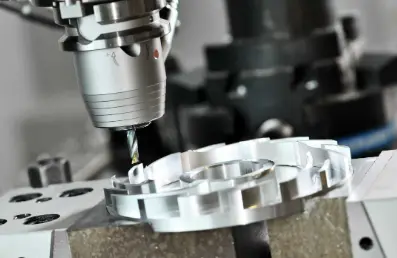
- Die Casting: Enabling the production of complex shapes with tight tolerances and consistent quality.
- CNC Machining: Achieving micron-level precision, critical for smooth functionality in moving parts.
These processes allow manufacturers to produce robot components that meet stringent design and operational requirements, ensuring superior performance.
Thermal Conductivity
Aluminum’s excellent thermal conductivity is a major advantage in robotics. It helps:
- Dissipate Heat Effectively: Preventing overheating in motors and processors.
- Extend Component Lifespan: Ensuring consistent performance during extended use.
Corrosion Resistance
Aluminum’s natural resistance to corrosion protects robots from environmental damage, particularly in:
- Humid or Outdoor Conditions: Preventing rust and degradation.
- Long-Term Operation: Reducing the need for frequent maintenance or replacements.
As sustainability becomes a growing priority, aluminum is an ideal choice for eco-conscious robotics manufacturing:
- Recyclability: Aluminum can be recycled repeatedly without losing its properties, reducing environmental impact.
- Cost Efficiency: Recycled aluminum offers significant savings in material costs, supporting scalable production.
Unitree Robotics G1
The Unitree Robotics G1 humanoid robot uses 23 to 43 aluminum-based joint motors. These precision-machined joints offer: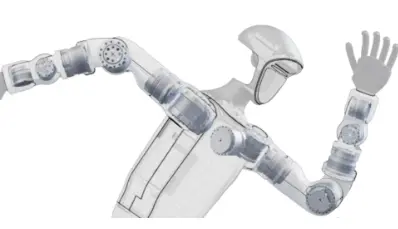
- Enhanced Motion Control: Supporting complex, human-like movements.
- Durability: Withstanding repetitive mechanical stress while maintaining performance.
ZongQing SE01
The ZongQing SE01 robot features a frame constructed from aerospace-grade aluminum. This material provides:
- High Structural Stability: Supporting rigorous operational demands.
- Lightweight Agility: Allowing efficient movement without compromising strength.
These examples highlight how aluminum’s properties directly enhance the functionality and reliability of humanoid robots.
Aluminum’s versatility supports cost-effective and scalable manufacturing for humanoid robots. Key benefits include:
- Reduced Production Time: Its machinability allows manufacturers to shorten lead times.
- Mass Production Scalability: Aluminum’s compatibility with high-volume manufacturing ensures consistent quality at lower costs.
As the robotics industry grows, aluminum’s role in streamlining production processes will become increasingly vital.
From lightweight construction and superior strength to precision machining and sustainability, aluminum is the optimal material for humanoid robots. Its unique properties not only address the challenges of modern robotics but also enable innovative designs and cost-effective production.
At Fsproto Metal, we specialize in aluminum die casting and machining, providing tailored solutions for the robotics industry. Our expertise ensures precision-engineered components that meet the high demands of humanoid robot manufacturers. Partner with us to explore how aluminum can elevate your robotics applications and drive innovation in the evolving robot industry.
 Chloe
Published Date: 2026/1/15
Chloe
Published Date: 2026/1/15